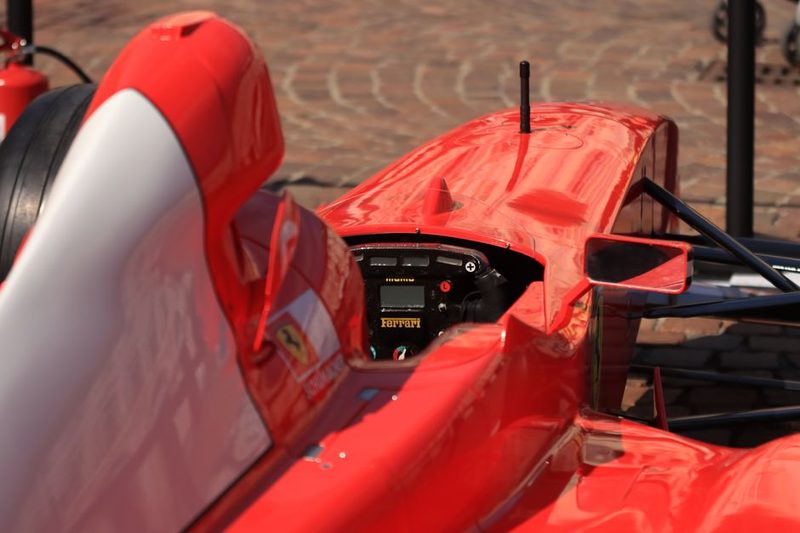
How Suspension Geometry Shapes Sim Handling
We trace the relationship between virtual suspension modeling and the way cars transfer weight through fast direction changes.
Aswan-based editors dissect tire models, weight transfer, and track geometry across the sim racing landscape, one corner at a time.
Browse ArchiveA running collection of physics breakdowns, track studies, and setup notes
We unpack how contact patch deformation and slip angle curves shape the way different sims render grip loss under braking.
A look at how the Green Hell's inconsistent camber transitions punish stiff setups and reward drivers who read elevation changes.
We separate marketing language from actual telemetry data when it comes to how wheelbases translate road surface into force curves.
An editorial dive into why modern circuit architects favor slow chicanes over high-speed kinks after decades of safety data.
How loose-surface weight transfer models differ fundamentally from tarmac sims, and why few titles handle both convincingly.
We examine when built-in understeer bias reflects real chassis behavior versus when it's a simplified physics shortcut.
Recent breakdowns and track studies from the editorial team
We trace the relationship between virtual suspension modeling and the way cars transfer weight through fast direction changes.
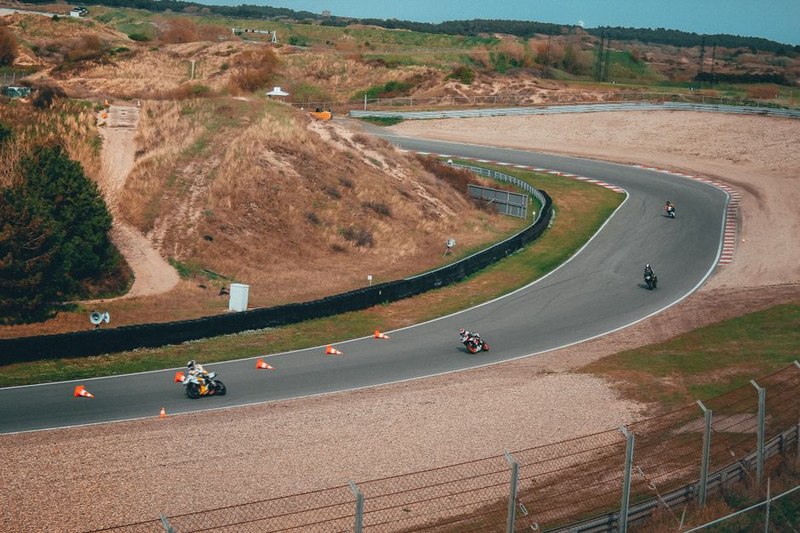
A close read of one of motorsport's most technical sections and what it demands from both drivers and physics engines.
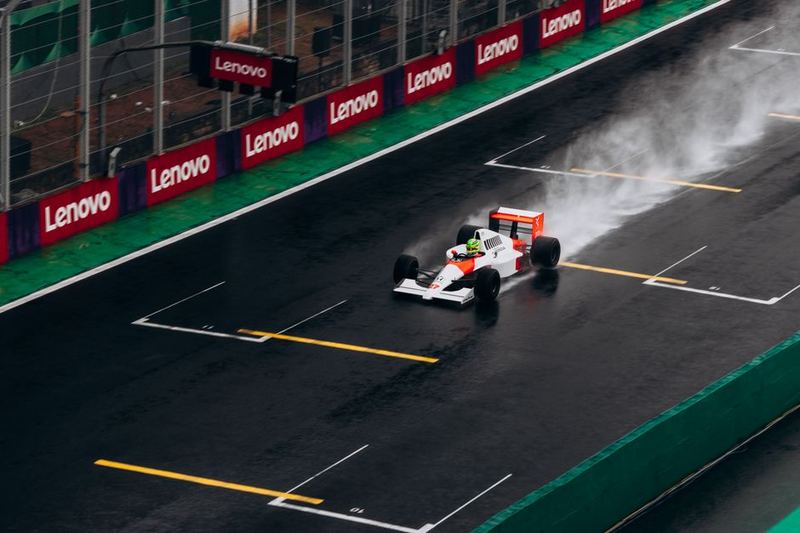
Practical notes on adjusting diff settings when track grip drops, drawn from telemetry comparisons across several sim titles.
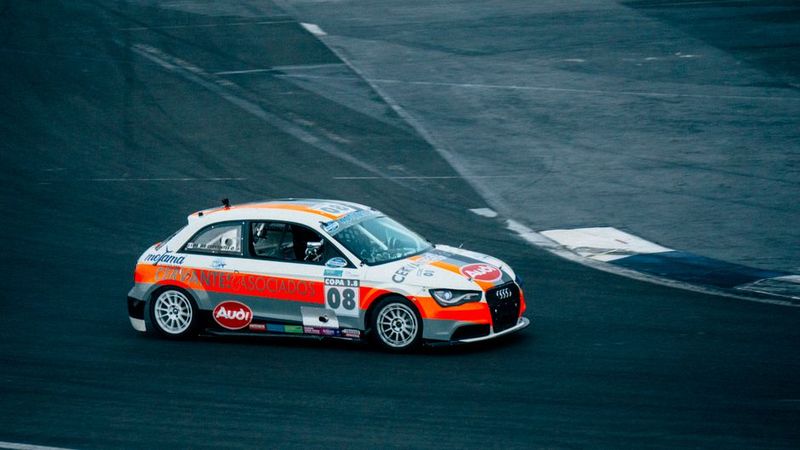
An editorial look at the gap between simplified aero models and wind-tunnel data, and why that gap is slowly closing.

How different qualifying structures in competitive sim racing leagues shape risk-taking during the race itself.
Editorial depth built on hands-on testing and telemetry, not press releases
We pull actual data logs when breaking down handling behavior instead of relying on impressions alone.
Circuit geometry gets the same scrutiny as car physics, from camber to runoff philosophy across eras.
Reader setups, forum debates, and league feedback regularly shape which topics we dig into next.
Our editors write without sponsorship pressure, so critical takes on physics models stay honest.
Dive into our breakdowns of tire models, track geometry, and setup logic across the sim racing world.
Yes, we occasionally publish guest pieces from drivers and league organizers with strong technical knowledge. Pitches should include a specific angle on physics or track design rather than general reviews.
New breakdowns and track studies go up roughly twice a week, with occasional deep-dive pieces taking longer when they involve telemetry comparisons across multiple titles.
Coverage spans several major circuit and rally simulators, with emphasis on titles that expose detailed physics parameters for genuine analysis rather than closed black-box models.
We primarily cover PC-based sims due to access to telemetry tools and force feedback data, though notable console releases get editorial attention when relevant.
Absolutely. Reader suggestions regularly influence our editorial calendar, especially requests involving specific corners or setup dilemmas from competitive leagues.